








Apr
25
Do
Mai
7
Di
Agáta Rösterei & Café, Julius-hatry-Str. 1, Mannheim, Baden-wurttemberg, DE, 68163
19:30-22:30
Mai
14
Di

Das Institut für Mittelstandsforschung ist eine zentrale Forschungseinrichtung der Universität Mannheim und führt seit fast 30 Jahren Forschungsvorhaben zu aktuellen und strukturellen mittelstandsbezogenen Themen durch. Gegenwärtig arbeiten 30 Wissenschaftlerinnen und Wissenschaftler am ifm Mannheim. Seine besondere Stärke liegt in der interdisziplinären Ausrichtung und der Brückenfunktion zwischen Wissenschaft, Politikberatung und Praxis. Die Arbeit des ifm konzentriert sich auf die folgenden vier Forschungsthemen: (1) Digitalisierung und Wettbewerbsfähigkeit im Mittelstand, (2) Familienunternehmen, (3) Arbeitsmarkt und Selbständigkeit sowie (4) Entrepreneurship.
 Unternehmertum im deutschen Mittelstand (23.04.24)
Merken Sie sich den 14. Mai 2024 von 19:00 bis 22:00 Uhr im FUCHS Festsaal (Raum O138) der Universität Mannheim für einen bereichernden Founder Talk vor! In Zusammenarbeit mit dem ifm Förderkreis präsentiert MCEI stolz Dr. Ernest-W. Droege, den CEO der Droege Group. mehr... |
 Weldes neue Generation & neue Vision (22.04.24)
Seien Sie am 25. April 2024 ab 19:00 Uhr im Arkadentheater der Universität Mannheim dabei, wenn das ifm und der Förderkreis einen spannenden Live-Podcast mit Max Spielmann, dem Nachfolger und Geschäftsführer der Welde Brauerei, veranstalten. mehr... |
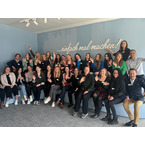 Rückblick auf eine erfolgreiche Gründerinnen Akademie 2024 in Mannheim (22.04.24)
Die Gründerinnen Akademie, die im Rahmen des TRANSFORMA-Projektes an der Universität Mannheim im März 2024 stattfand, unterstützte unter dem Motto „Empower Female Founders“ gezielt gründungsinteressierte Frauen und Gründerinnen bei den ersten Schritten ins Unternehmertum. mehr... |
 MCEI @ Q-Summit 2024 Zusammenfassung (20.04.24)
Nach zwei Tagen voller Workshops, Vorträge, Diskussionen und Veranstaltungen neigt sich der Q-Summit dem Ende zu. MCEI bedankt sich herzlich bei dem gesamten Q-Summit-Team für die Organisation dieser erfolgreichen Veranstaltung sowie bei allen, die unser Zelt besucht haben. Zusammen mit unseren Partner-Startups sind wir begeistert von der Beteiligung und dem Gesamterfolg der Veranstaltung. mehr... |
 Der CEO und Nachfolger der Welde Brauerei Max Spielmann kommt ans ifm! (02.04.24)
Am 25.4.2024 kommt der Nachfolger der Welde Brauerei und derzeitige CEO Max Spielmann ans ifm.
Die Veranstaltung ist als Live Podcast konzipert und wird von Dr. Nora Zybura und Dr. Jan Tänzler moderiert. Bei der Veranstaltung wird Max Spielmann über die derzeitige Strategie seines Unternehmens, den eigenen Nachfolgeprozess und weitere wichtige Themen berichten. Alle Interessierten sind herzlich ins Arkadentheader im Schloss Mannheim eingeladen. Los geht es um 19 Uhr. mehr... |
 Social Innovation Bar with MyBuddy (09.03.24)
Am 12. März ist es wieder soweit: Die Social Innovation Bar geht in die nächste Runde. Wie gewohnt in der Café Bar Alte Feuerwache Mannheim, aber Achtung: dieses Mal ab 18:30! Das MCEI und TransforMA sowie MARS - Center for Entrepreneurship kooperiert diesmal bei dieser Social Innovation Bar. Zusammen für das sozial-innovative Ökosystem in Mannheim 💪 mehr... |
 Luca Castellanza und Michael Woywode publizieren Artikel zu "Krisen und Krisenbewältigung am Beispiel von Startups in Süd-West Kamerun" in der Zeitschrift "Entrepreneurship & Regional Development" (04.03.24)
Der Artikel trägt den Titel: "Types, determinants, and outcomes of entrepreneurial behaviours during crises". Through an analysis of entrepreneurship in South-West Cameroon, we identify three behaviours entrepreneurs enact in response to crises: passive, hustling, and future-oriented, which differ with regards to activities, driving motivations, main objectives, approaches towards present and future adversity, and dominant focus concerning the use of resources. We also find that entrepreneurs’ enacted behaviours depend chiefly on the nature of the losses they incur and on the type of social capital they can avail of in the aftermath of a crisis. mehr... |
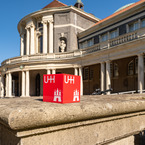 The 20th SCANCOR PhD Workshop on Institutional Analysis!! (27.02.24)
This year’s SCANCOR Workshop on Institutional Analysis will be hosted by the University of Hamburg in collaboration with the University of Mannheim. Join the event for a one-week intensive PhD workshop on institutional analysis. In the morning public lectures, leading international as well as local faculty present and discuss recent research broadly within the field of institutional theory. These talks are open to all. The Afternoon workshop sessions with international faculty are limited to PhD students who successfully apply to the workshop.
Time and place: Aug. 26, 2024 9:00 AM – Aug. 30, 2024 5:00 PM, Hamburg, Germany mehr... |
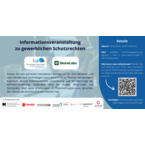 Informationsveranstaltung zu gewerblichen Schutzrechten (26.02.24)
Freuen Sie sich auf einen interaktiven Vortrag mit Dr. Windisch und Leon Windel über gewerbliche Schutzrechten! mehr... |
 |
 Startup Lounge #109 - ICODOS (02.02.24)
Wir freuen uns, euch zur ersten Startup Lounge dieses Semesters einladen zu können! Unser Gast bei dieser Veranstaltung ist ICODOS, ein Mannheimer Klima-Startup. mehr... |